


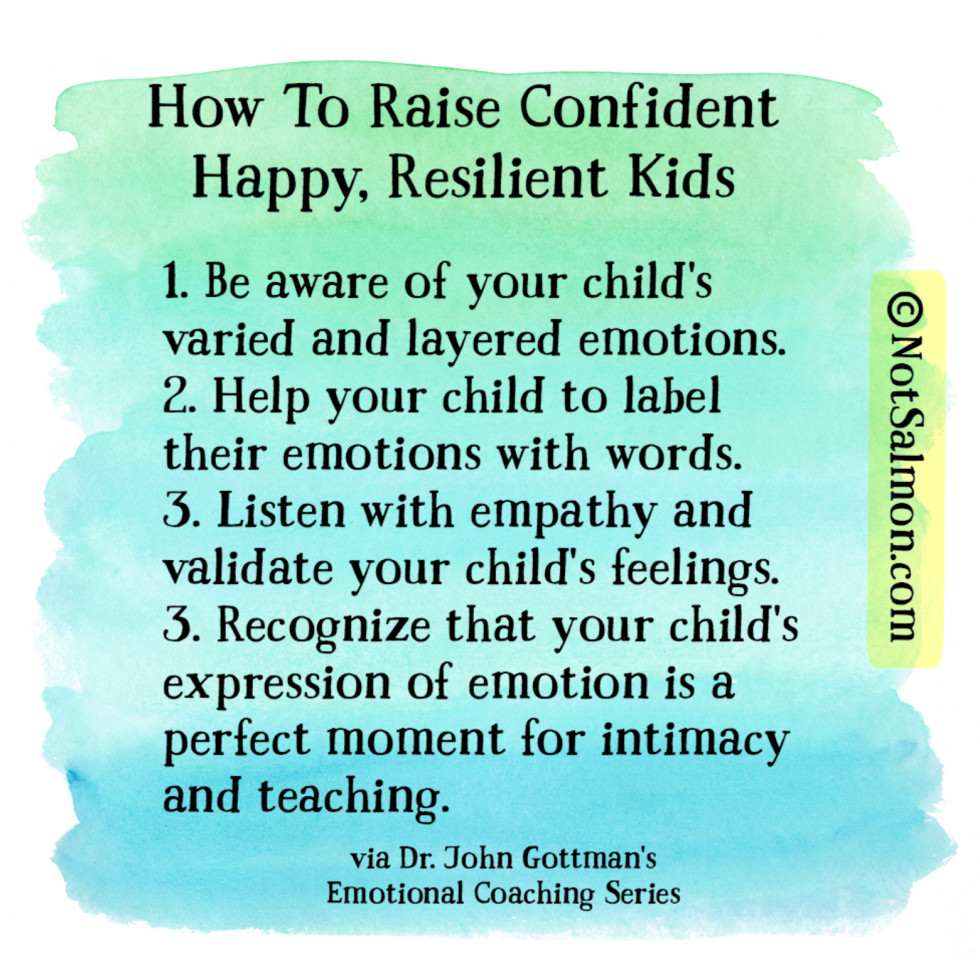
In today’s fast-paced and ever-evolving world, equipping children with strong self-belief and the ability to face challenges is more critical than ever. Confidence isn’t just about outward bravado; it’s an inner conviction that enables kids to try new things, recover from setbacks, and express themselves authentically. Parents play a pivotal role in nurturing this essential trait from an early age, laying the groundwork for future success and well-being. By intentionally implementing specific strategies, families can create an environment where children feel secure, capable, and ready to engage with the world around them.

Overview
- Cultivating a growth mindset helps children understand that abilities can be developed through effort, rather than being fixed.
- Empowering children to make age-appropriate decisions and solve their own problems builds their sense of capability and self-efficacy.
- Positive reinforcement, focusing on effort and specific behaviors, strengthens self-esteem and encourages continued positive actions.
- Active listening validates a child’s feelings and experiences, fostering trust and open communication.
- Teaching emotional intelligence helps kids identify, understand, and manage their feelings effectively, leading to greater self-awareness.
- Allowing children to experience setbacks and learn from mistakes is crucial for developing resilience and problem-solving skills.
- Providing opportunities for responsibility and contribution within the family reinforces their value and competence.
Fostering a Growth Mindset: A Key to Raising Confident Kids
One of the most impactful strategies for raising confident kids is to instill a growth mindset. This concept teaches children that their intelligence and talents are not fixed traits but can be developed through dedication and hard work. When children understand that effort leads to improvement, they are more likely to embrace challenges, persist in the face of difficulties, and view mistakes as opportunities for learning rather than failures. To cultivate this mindset, focus your praise on their effort, strategies, and persistence, rather than solely on their achievements or inherent abilities. For example, instead of saying, “You’re so smart!”, try “I saw how hard you worked on that puzzle; your persistence paid off!” This shifts the focus from an outcome to the process, teaching them that their capabilities can expand. Encourage them to articulate what they learned from a difficult task or what they might try differently next time. This approach not only builds resilience but also fosters an internal locus of control, where children feel they have agency over their own growth.
Empowering Independence and Problem-Solving Skills
Allowing children to exercise independence is fundamental to building their confidence. When kids are given opportunities to make age-appropriate choices and solve their own problems, they develop a sense of competence and self-efficacy. This doesn’t mean leaving them to fend for themselves, but rather providing a supportive framework within which they can explore and experiment. Start small: let them choose their outfit for the day, decide which snack to have, or pick a book to read. As they grow, involve them in family decisions, explaining the pros and cons of different options. When faced with a challenge, resist the urge to immediately swoop in and fix it. Instead, ask guiding questions like, “What do you think you could do?” or “What are some ideas to solve this?” This empowers them to think critically and trust their own abilities to find solutions. Providing responsibilities around the house, tailored to their age, also reinforces their value and capability. Whether it’s setting the table or putting away toys, these tasks teach them they are contributing members of the family, which significantly boosts their self-esteem.
The Impact of Positive Reinforcement and Active Listening
Positive reinforcement is a powerful tool in raising confident kids. It involves acknowledging and praising specific, desirable behaviors and efforts. This isn’t about generic “good job” statements, but rather descriptive feedback that tells the child exactly what they did well. For instance, “I appreciate how you shared your toys with your friend” or “You concentrated really well on your homework.” Such specific praise reinforces positive actions and helps children understand what behaviors are valued. Equally important is active listening, which means giving your child your full attention when they speak. Put down your phone, make eye contact, and truly hear what they are saying, both verbally and non-verbally. Reflect back their feelings to show you understand, “It sounds like you’re really frustrated with that building block tower.” This validates their emotions, helps them feel understood, and strengthens their trust in you as a reliable source of support. In the US, many parenting experts emphasize the importance of this genuine connection to help children feel seen and valued, which are crucial components of developing strong self-confidence.
Cultivating Emotional Intelligence and Resilience
Emotional intelligence—the ability to understand and manage one’s own emotions, and to recognize and influence the emotions of others—is vital for confidence. Confident children are not afraid of their feelings; they understand them and know how to cope effectively. Help your children develop emotional literacy by naming emotions they might be experiencing (“You seem angry right now,” “Are you feeling sad?”). Teach them healthy ways to express these feelings, whether through talking, drawing, or engaging in calming activities like deep breathing. It’s also crucial to allow children to experience discomfort and disappointment. Shielding them from every negative emotion can inadvertently prevent them from developing resilience. When they face a setback, acknowledge their feelings, but then gently guide them toward strategies for coping and moving forward. This might involve reminding them of past successes, brainstorming new approaches, or simply reassuring them that it’s okay to feel sad and that they will get through it. These experiences, when handled with parental support, teach them that they possess the inner strength to overcome adversity, which is a cornerstone of true confidence.

