Parenting today is a dynamic landscape, constantly evolving with new research, societal shifts, and technological advancements. What worked for previous generations might not always align with the challenges and opportunities present for families now. Consequently, a range of modern parenting trends has emerged, reflecting a growing emphasis on children’s emotional well-being, individualized development, and the importance of a supportive home environment. These approaches often prioritize connection, understanding, and adaptability over rigid rules, aiming to raise resilient, empathetic, and independent individuals.

Overview
- Intentionality and Mindfulness: Parents are increasingly adopting conscious parenting practices, focusing on their own reactions and fostering emotional intelligence in children.
- Technology Integration: Managing screen time, using educational apps, and teaching digital literacy are crucial aspects of parenting in the digital age.
- Child-Led Approaches: Gentle parenting and positive discipline gain traction, emphasizing respect for children’s autonomy and fostering intrinsic motivation.
- Focus on Mental and Emotional Health: There’s a stronger emphasis on nurturing children’s mental well-being, promoting open communication about feelings, and seeking professional support when needed.
- Parental Well-being: Acknowledging that effective parenting starts with a well-supported parent, self-care, and community backing are becoming more central.
- Individualized Development: Moving away from “one-size-fits-all,” parents seek to understand and cater to each child’s unique temperament, strengths, and needs.
- Sustainability and Values: Many families are incorporating eco-conscious choices and strong ethical values into their parenting decisions, influencing everything from toys to education.
The Rise of Intentionality in Modern Parenting Trends
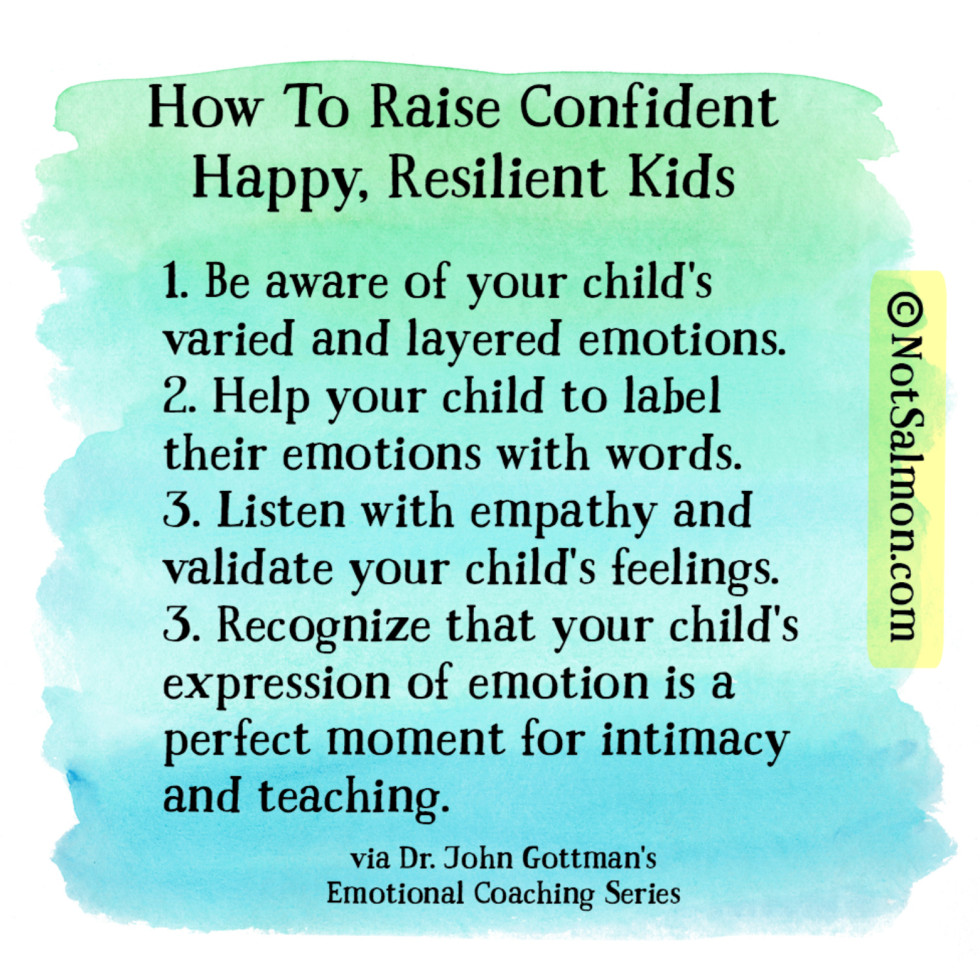
One significant shift in modern parenting trends is the move towards greater intentionality. This involves parents consciously reflecting on their actions, reactions, and the environment they create for their children. It’s about being present, mindful, and making deliberate choices about how they interact and guide their kids. Conscious parenting, for example, encourages parents to understand their own emotional triggers and respond to their children with empathy rather than reactivity. This approach emphasizes fostering emotional intelligence in children from an early age, teaching them to identify and articulate their feelings, and providing tools for self-regulation. Parents are seeking resources, from books to workshops, to become more self-aware and effective in their roles, moving away from autopilot responses. This trend also involves setting clear family values and living by them, creating a cohesive and purposeful upbringing.
Technology’s Influence on Modern Parenting Trends
The pervasive nature of technology has undeniably shaped modern parenting trends, presenting both opportunities and challenges. Parents are grappling with how to raise “digital natives” responsibly. This includes setting healthy screen time boundaries, choosing educational and age-appropriate content, and teaching critical digital literacy skills. Rather than outright banning technology, many parents in the US are striving for a balanced approach, using tech as a tool for learning and connection while mitigating its potential downsides. This means parents are actively researching apps, games, and online platforms to ensure they are beneficial and safe. Furthermore, technology plays a role in parental support networks, with online communities, parenting blogs, and social media groups offering advice and camaraderie, though often with a need for discerning information.
Focusing on Child-Led Approaches in Modern Parenting Trends
A strong current in modern parenting trends is the adoption of more child-led or child-centered approaches. This encompasses philosophies like gentle parenting and positive discipline, which prioritize understanding a child’s perspective, respecting their autonomy, and fostering intrinsic motivation rather than relying on punishment or rewards. The emphasis is on building a strong, respectful relationship with the child, teaching life skills through guidance and natural consequences, and validating their feelings. For instance, instead of demanding obedience, parents might involve children in decision-making processes, offer choices, and explain the reasons behind rules. This trend aims to raise children who are self-aware, responsible, and capable of independent thought, preparing them for a complex world where critical thinking is paramount. It shifts the focus from control to collaboration within the family unit.
Supporting Parental Well-being as a Modern Parenting Trend
Increasingly, modern parenting trends acknowledge that the well-being of the parent is fundamental to effective parenting. The concept that “you can’t pour from an empty cup” resonates deeply, leading to a greater emphasis on parental self-care, mental health, and community support. Parents are encouraged to prioritize their physical and emotional needs, whether through exercise, hobbies, or simply taking breaks. There’s a growing recognition that burnout is a real issue for parents, and that seeking help, whether from partners, friends, family, or professionals, is a sign of strength, not weakness. In the US, many parents are also actively seeking out support groups and networks, both online and in person, to share experiences, gain advice, and reduce feelings of isolation. This trend moves away from the expectation of the perpetually self-sacrificing parent towards a more holistic view where the entire family’s health and happiness are interconnected.